
I’ve been fighting yet another mold battle for most of this year. I’ve done this enough now that you’d think I’d be an expert with a lot of wisdom to share. What I’ve learned, though, is that there’s very little agreement in the mold illness community about even the basics, like the best testing methods, remediation practices, or the nature of mycotoxins (poisons produced by certain molds). So, I write this post with trepidation, knowing that whatever I say is likely to meet pushback from some corner of the mold illness world. I don’t write as a mold expert, by any means, but I can share my experiences, both with fighting mold and with how it overlaps and intersects with Multiple Chemical Sensitivity (MCS) or chemical toxicity in general. I hope there’s something helpful in here somewhere. Here are some of the things I’ve observed or experienced:
1. Toxins are toxic, whether they’re biological or synthetic, and it’s not always easy to determine what’s affecting you. I used to think I could tell. There were a handful of symptoms that I identified as being my mold symptoms, but this time around, I didn’t have them, despite the fact that testing showed a very potent mold in the house and extremely high levels of a dangerous mycotoxin in my body. Evidently, the mold exposure was adding to my toxic load and keeping my chemical sensitivity active, but not causing obviously different symptoms.
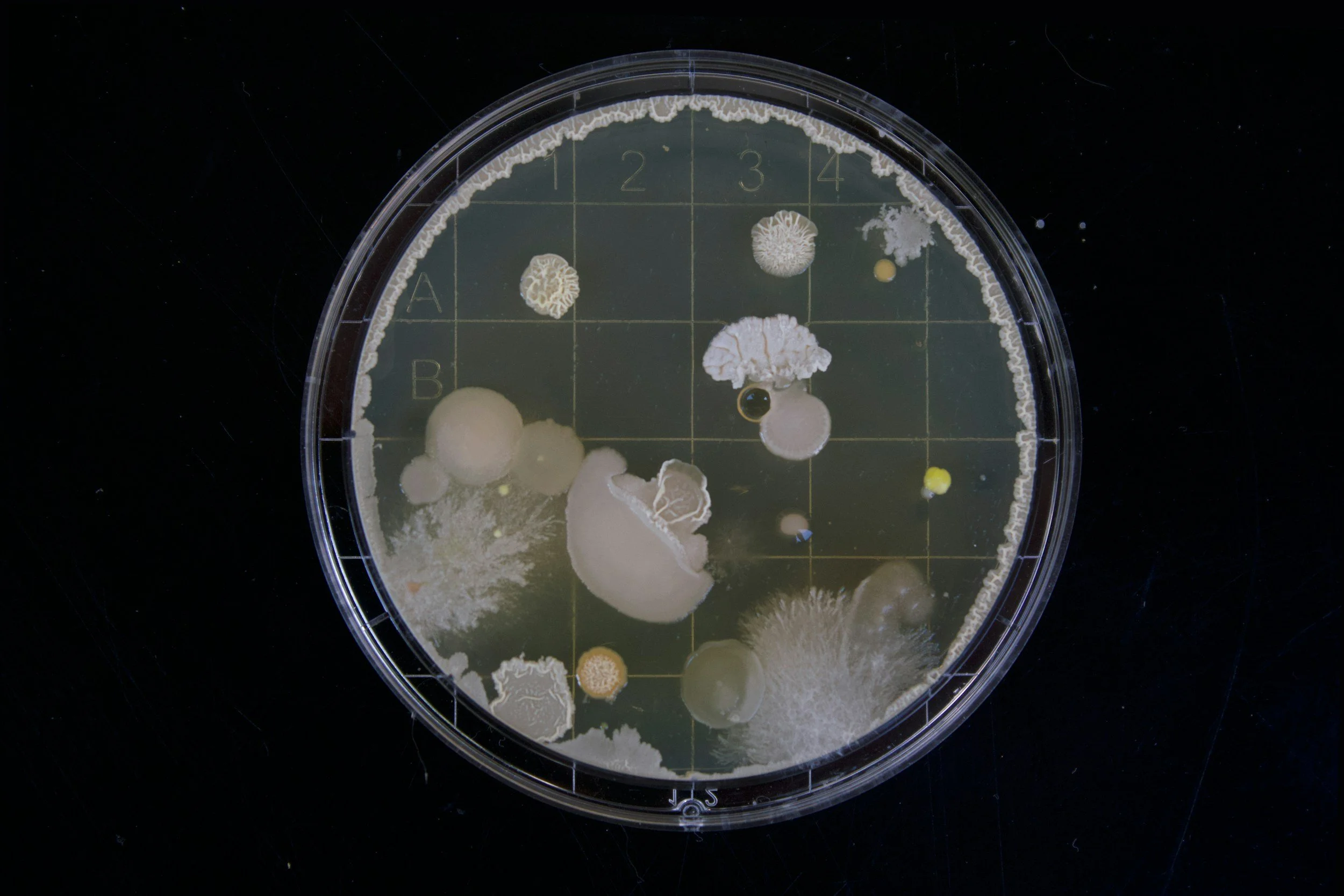
One possible explanation for this is that there are thousands of different types of mold (some say over 100,000, and some estimate there may be more than a million) and they can have very different properties and effects. Molds can be allergenic, pathogenic, or toxigenic. There have been times in the past when I’ve walked into a building with obvious mold issues (generally, I could smell it), but when I’ve mentioned it to others, I’ve been told that there couldn’t be mold, because the person I’m talking to has mold allergies and isn’t reacting. Despite my frustration with that, I guess I basically did the same thing to myself by failing to recognize the mold in my house this time because I didn’t have my usual symptoms (and couldn’t smell or see anything problematic).
The overlap of symptoms that can be caused by mold (especially toxigenic types) and chemical toxins can be especially problematic for people focusing on avoiding one of the two. My social media feed is often full of people who discovered mold in their home, escaped and moved to a new one (often a brand-new building, because they think the risk of mold is lower), and then found themselves just as sick as they were in their previous home. They often first assume the new house has mold (which is certainly possible, since new houses aren’t always as mold-free as you would think), but then they gradually start suspecting that they’re reacting to the chemical offgassing of their new place. They ask, “How do I know?” and there’s no good answer.
I’ve sometimes seen this go the other direction, too. Someone with chemical intolerance is unable to stay in their home, so they escape to an older building (or sometimes a travel trailer), where they fail to improve, because there’s hidden mold somewhere, which they later discover. The bottom line is that in order to be healthy, we have to do our best to avoid toxins of both types – biological and synthetic. There’s really no shortcut.
2. Figuring out what’s in the air inside our homes and other buildings is easier said than done. There are many different types of mold testing, and each type has its defenders and detractors. I think it’s safe to say that none are perfect, and all can sometimes miss a problem.
Testing for chemical contaminants has gotten better, but is also still imperfect. The staggering number of synthetic chemicals that are produced is certainly part of the problem. When I wrote my book, I said there were about 80,000 synthetic chemicals identified, which was the number generally agreed upon at the time. Now, however, we know that there are over 350,000 synthetic chemicals registered for production and use. The number of chemicals most commonly used is smaller, but still in the thousands, and commercially available testing isn’t able to recognize them all. Also, testing for VOCs (volatile organic compounds) has improved, but there are many, many classes of problematic chemicals that aren’t VOCs, including some pesticides, heavy metals like lead, and endocrine disruptors like phthalates and parabens.
There are pros and cons to all testing methods, and what seems best in one situation may not fit another. My current personal approach is to focus on testing my body. When people begin trying to avoid toxins, they often start with changing their food and personal care products, which are certainly important and logical places to start. I’ve heard people say, though, that they’re focusing on what’s going into their body, and not on what’s around their body. This is a false dichotomy, because if it’s around us, it will soon be in us. Airborne contaminants can reach our bloodstream within minutes of being inhaled. Also, airborne particles can fall onto our food, and be consumed along with it.
3. Air filters are important and helpful, for both mold and chemical issues, but not a solution in and of themselves. There’s no substitute for source control (i.e. keeping the problematic substances out of the building). For mold, the source of the problem has to be found, and contaminated building materials have to be carefully (professionally, under containment) removed. For chemical contamination, sometimes offgassing can be contained or addressed in other ways, such as baking off, but sometimes, like with mold, the source of the problem just needs to go away.
4. Source control is important, but generally not the end of the story. Once the source of the problem is removed, contaminants may still remain. What I’ve been doing for a good part of this year is removing porous items in my home (things made of foam, fabric, paper, wood, etc.). The idea is that mycotoxins that were circulating in the air have now become embedded inside them.
The same problem exists with many synthetic chemicals. Air fresheners come immediately to mind. I recently took a trip and needed to stay overnight along the way. I asked the managers of a campground on my route if they had any fragrance-free cabins. They replied that they could remove the air freshener and open the windows for me. I appreciated their offer, but didn’t think it would work. Lacking any other options, though, I gave it a try. As expected, the air freshener chemicals had permeated everything, and the room seemed almost as fragrant to me as if the fragrance chemicals were still actively being pumped into the room.
To understand this concept, it can be helpful to read about the effects of “third-hand” cigarette smoke. This is the smoke residue that clings to walls, furniture, and other surfaces in an environment where cigarettes have been smoked, and which has been linked to serious health concerns. The same principle applies to other chemical contaminants and to mold. Residue can remain for a long time and continue to be a problem if it isn’t thoroughly removed.
5. Even though neither mold illness nor chemical intolerance is an allergy, in the truest sense of the word, making a home or other building “allergy-friendly” can help with both. Basically, this means controlling dust, which is composed of little bits of whatever is in the building. Mold spores travel in dust, and the synthetic chemicals in your house can be found in the dust, as well. Carpet is a major dust reservoir, and really not a good idea for a healthy house. Hard, non-porous surfaces are the easiest to keep clean, and metal and glass furnishings tend to be inert and good for both avoiding mold and chemical contamination. The fewer upholstered pieces, the better. Furniture with removable, washable cushions (or at least cushion covers) is a step in the right direction.
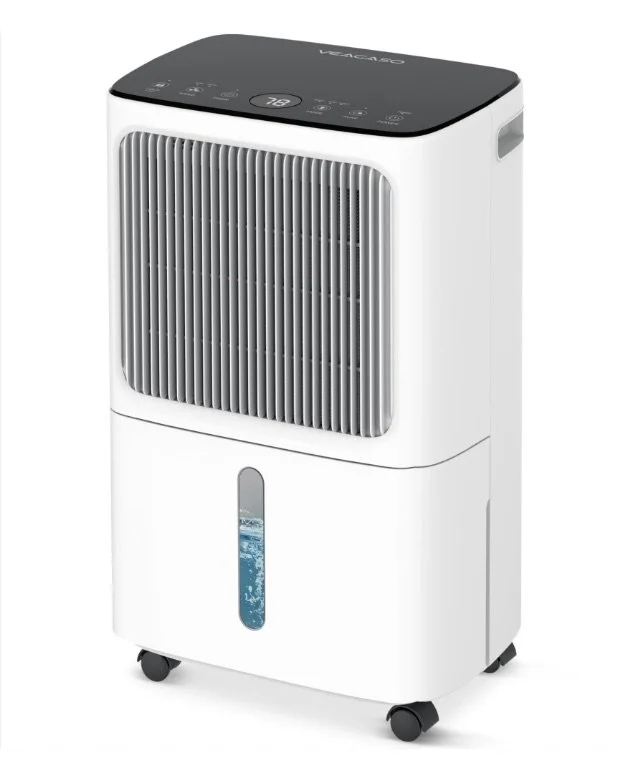
6. Controlling humidity is important. Most people know that mold needs moisture to grow. What is less well-known is that high humidity can accelerate the offgassing of VOCs and can also cause certain chemicals to react with each other and form new compounds. Most experts recommend trying to keep the humidity inside a building between 40 and 60%, with some saying that aiming for under 50% is a good goal.
7. In addition to controlling dust, it’s important to address gases. This means you need air filters with not only HEPA or similar filtration, but also carbon or another media that will trap gaseous pollutants. It once seemed to be the common consensus that mycotoxins are gases, but the current understanding seems to be that they aren’t, and that they generally hitch a ride on small particles. On the other hand, mold can produce VOCs (often called MVOCs), which are indeed gases and can have toxic properties themselves. And, of course, many chemical contaminants are gases, which can only be trapped by the proper type of filtration.
8. There are times when focusing on chemical safety can make the process of addressing mold more complicated. For example, the mold illness community often talks about the importance of replacing clothing and other porous items frequently. This can be very challenging for people with chemical sensitivity, because we can often only tolerate certain fabrics, and even what we’ll eventually be able to tolerate often has to go through a long period of processing and offgassing before we can use it. Once we make something MCS-safe, we aren’t particularly inclined to get rid of it.
Plastic is a special problem. People addressing mold are often advised to store things in plastic totes. In many ways, this makes sense. It’s good to contain items to keep them from becoming dusty and contaminated, and plastic is less porous and likely to be affected by mold than cardboard, for example. On the other hand, more than 16,000 chemicals are associated with plastic production, with many thousands of them being designated as “chemicals of concern” because of their potential health risks. Some of the most well-known of these chemicals, including phthalates and BPA, are primarily detoxified through the glucuronidation detoxification pathway. This is also one of the primary pathways the body uses to process mold. In other words, if your body is already working hard to eliminate mold from your body, it may have fewer resources than normal to deal with all the chemicals in your new plastic totes.
There’s no one-size-fits-all answer to this issue. Hard plastic (like acrylic) is less problematic than soft. Metal storage solutions exist, and I’m actually finding them to be cheaper and more available than they used to be. Also, the most direct answer to the storage issue is to simply let go of more worldly goods and store less stuff (which, of course, leads back to the problem of wanting to hold onto items once they’re MCS-safe, because they aren’t easy and quick to replace.)
If all of this seems overwhelming, I get it. Trust me, I do. I’ll just tell you what I tell myself: We can only do our best, every step forward matters, and, most importantly, avoiding toxins can make enough of a difference to our health and wellbeing that it’s well worth doing.